Caribena versicolor (Antilles Pink Toe Tarantula)
Caribena versicolor (Antilles Pink Toe / Martinique Pink Toe Tarantula)
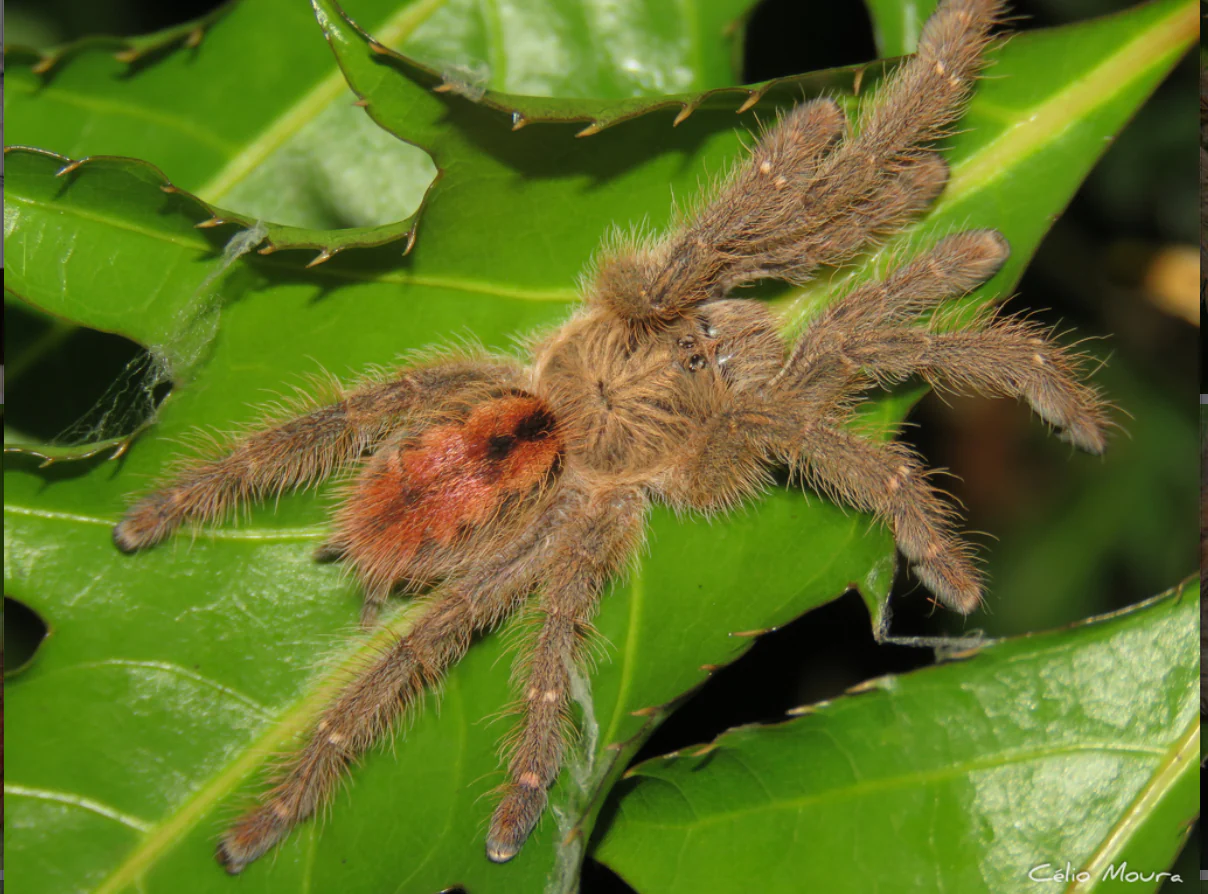
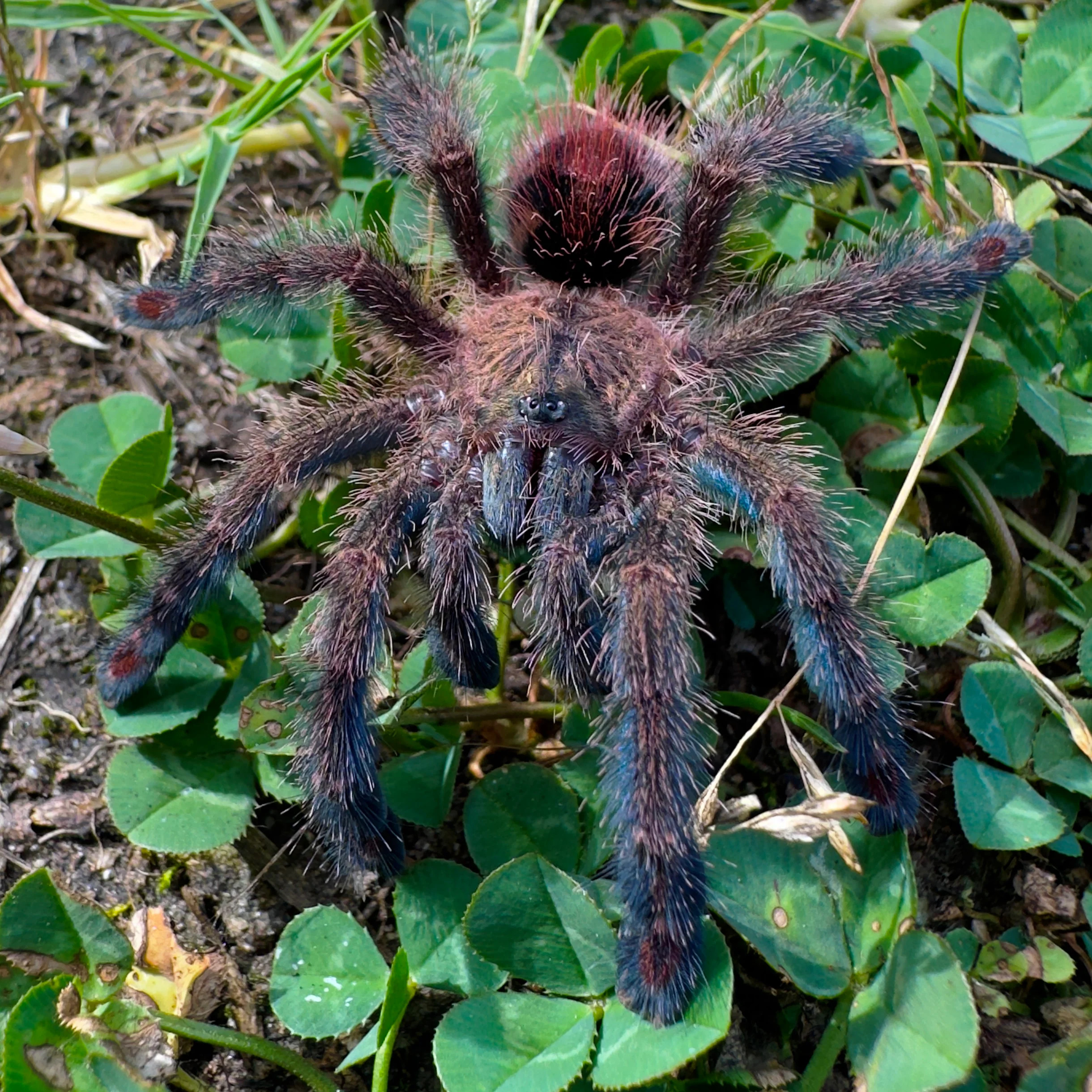
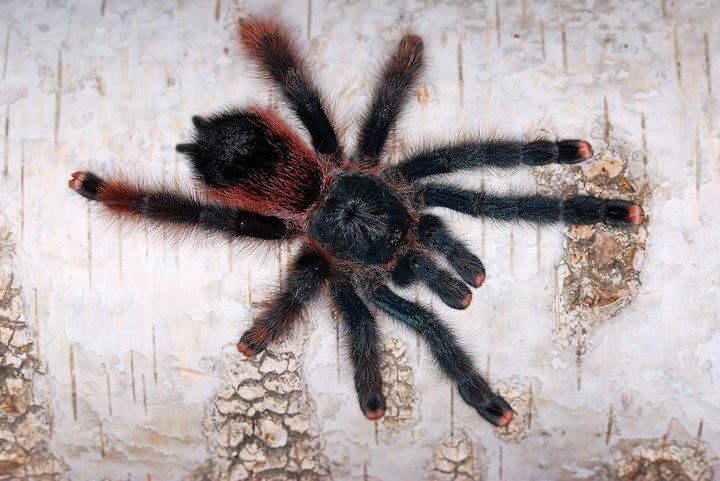
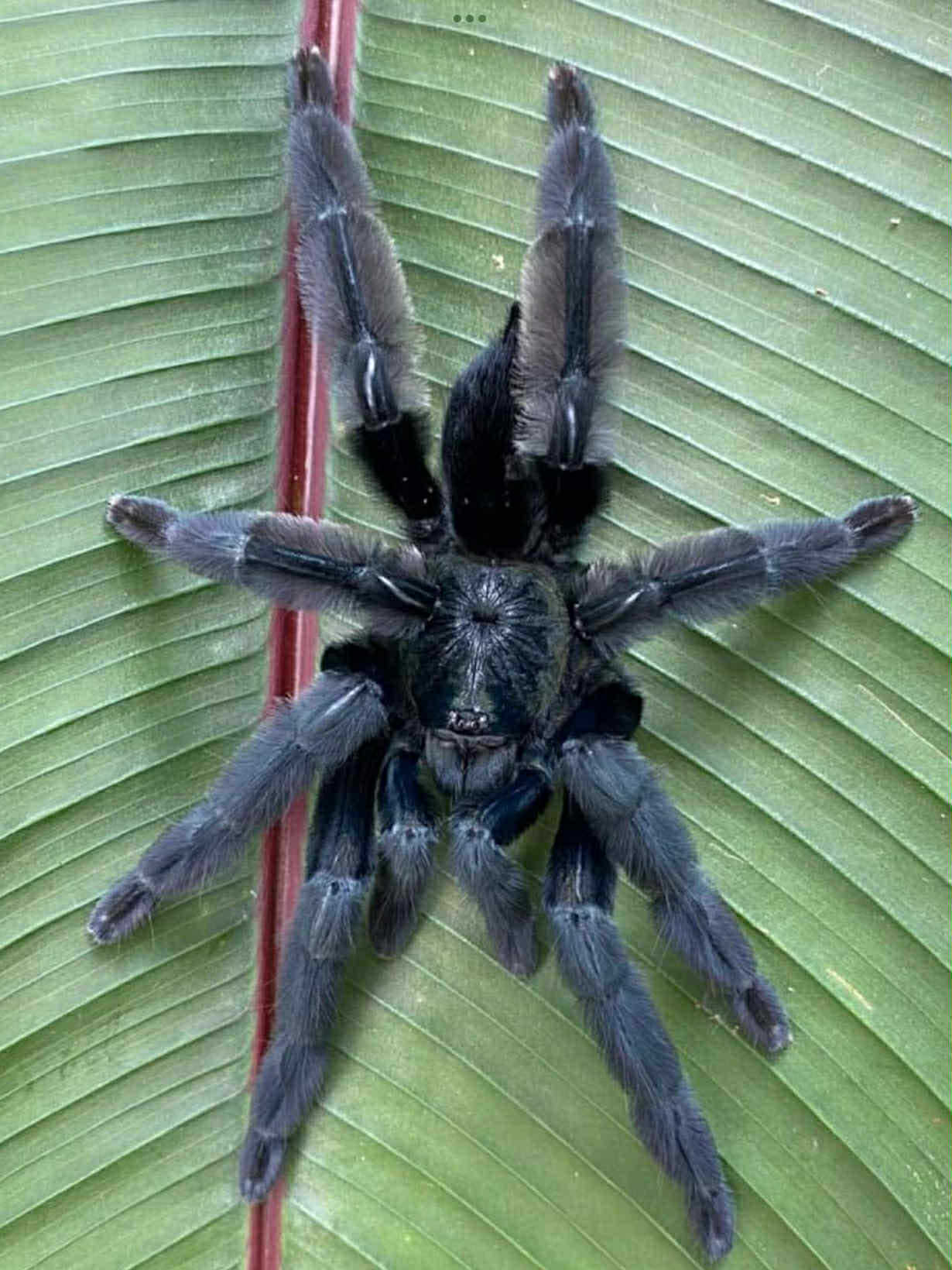
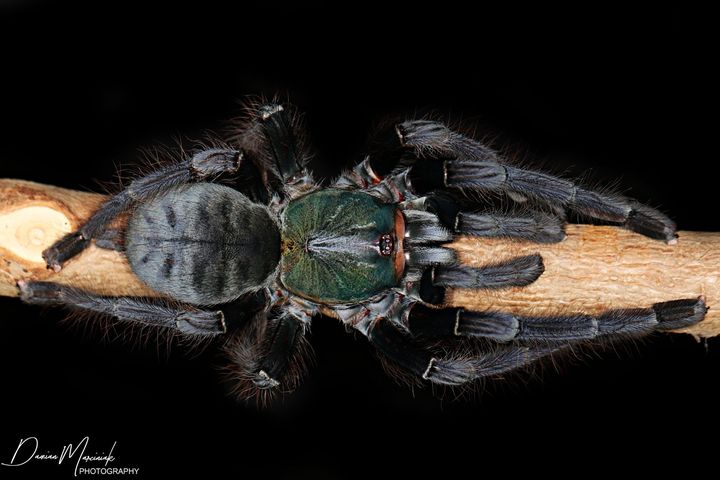
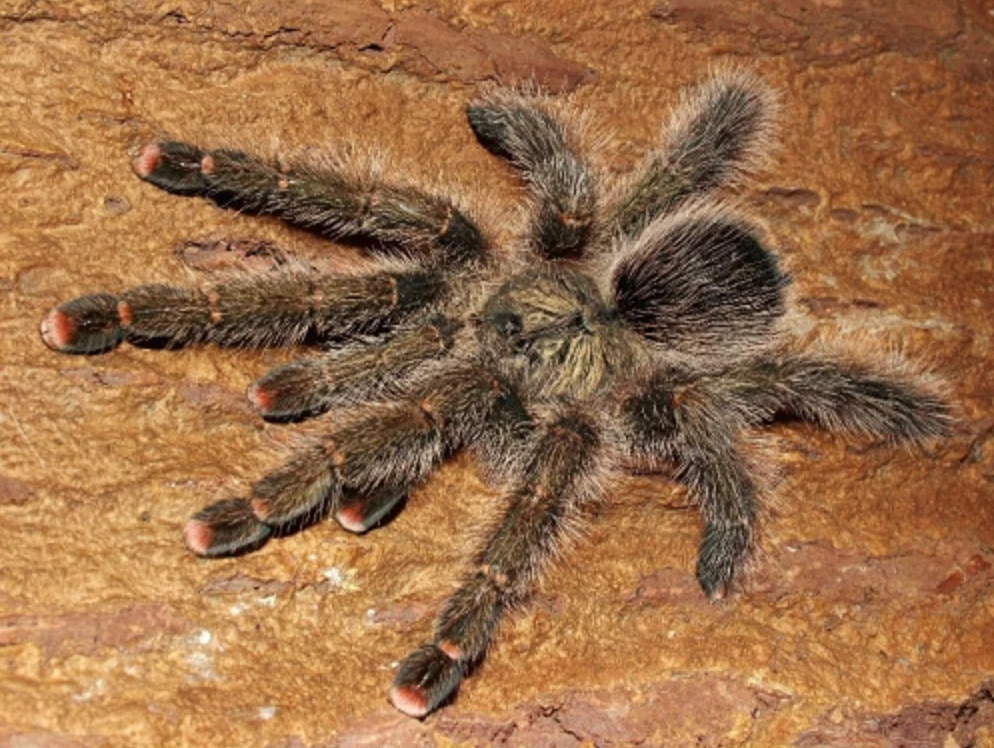
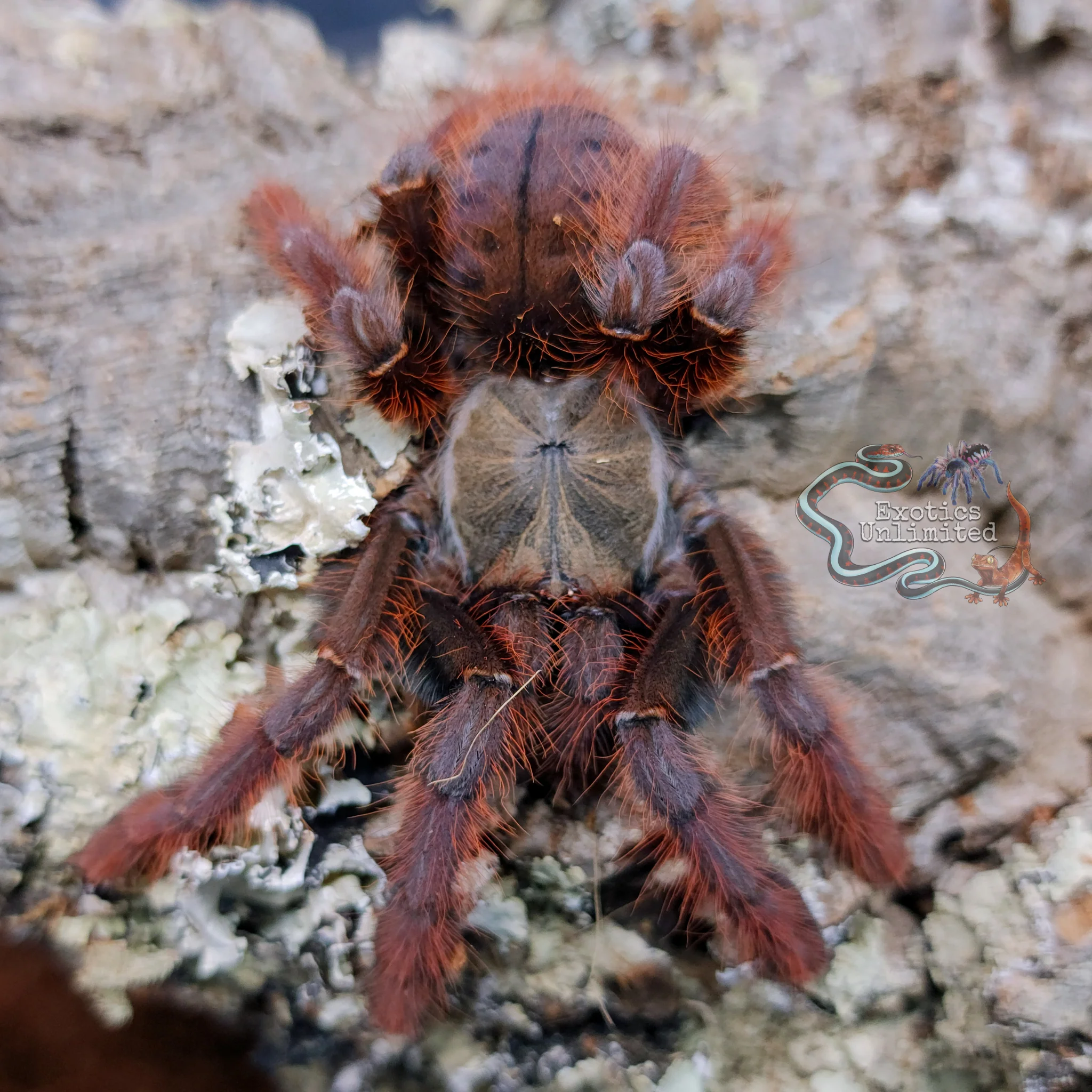
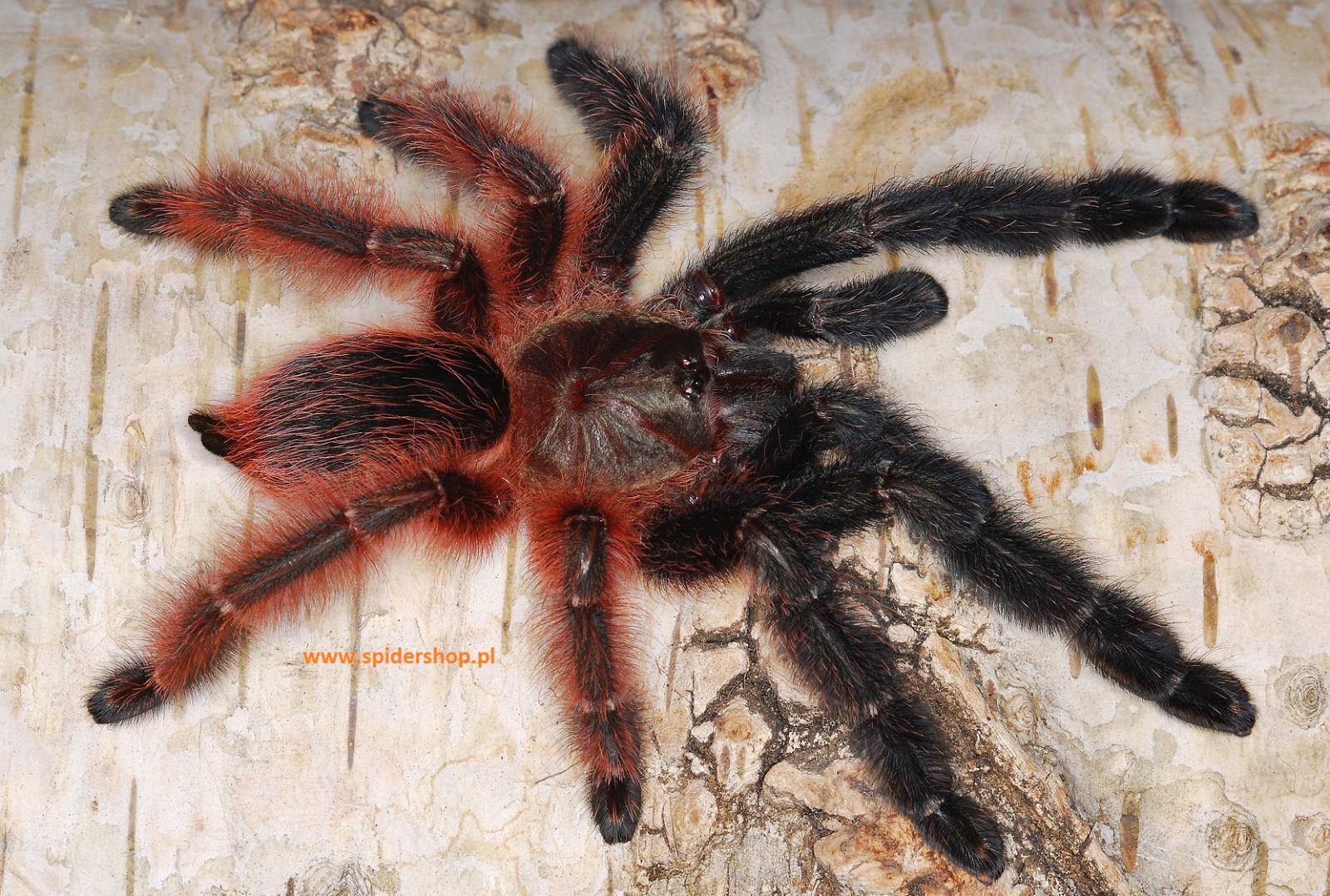
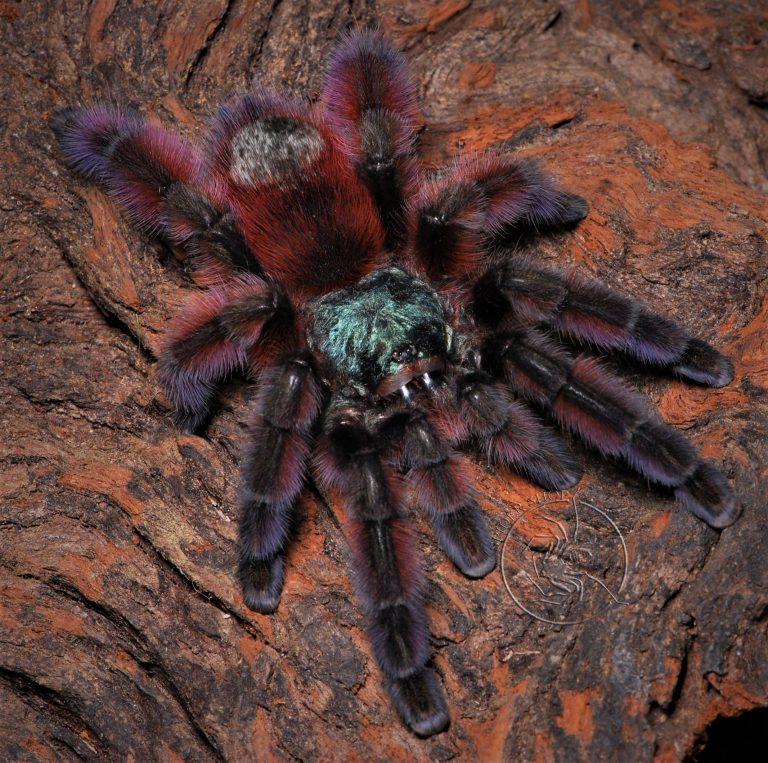
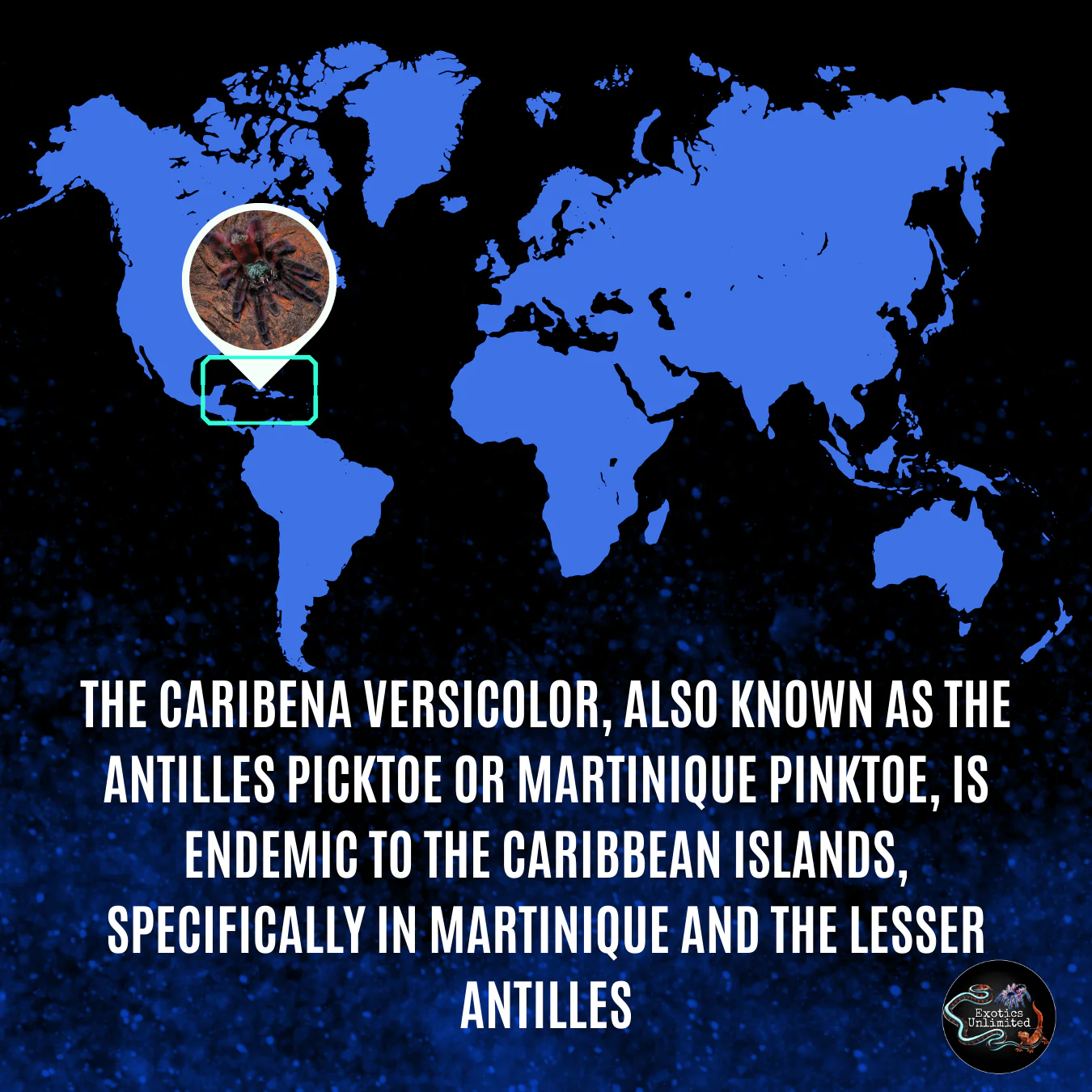
Caribena versicolor is one of the most sought-after arboreals in the hobby for good reason. Native to Martinique in the Caribbean, this New World species goes through one of the most dramatic color changes of any tarantula — bright metallic blue as a sling, transitioning to a stunning adult with a shimmering green-gold carapace, red abdominal hairs, and classic pink toe pads. Grab this New World arboreal for sale today if you want a species that's both beautiful to look at and rewarding to watch grow.
Why do hobbyists keep Caribena versicolor?
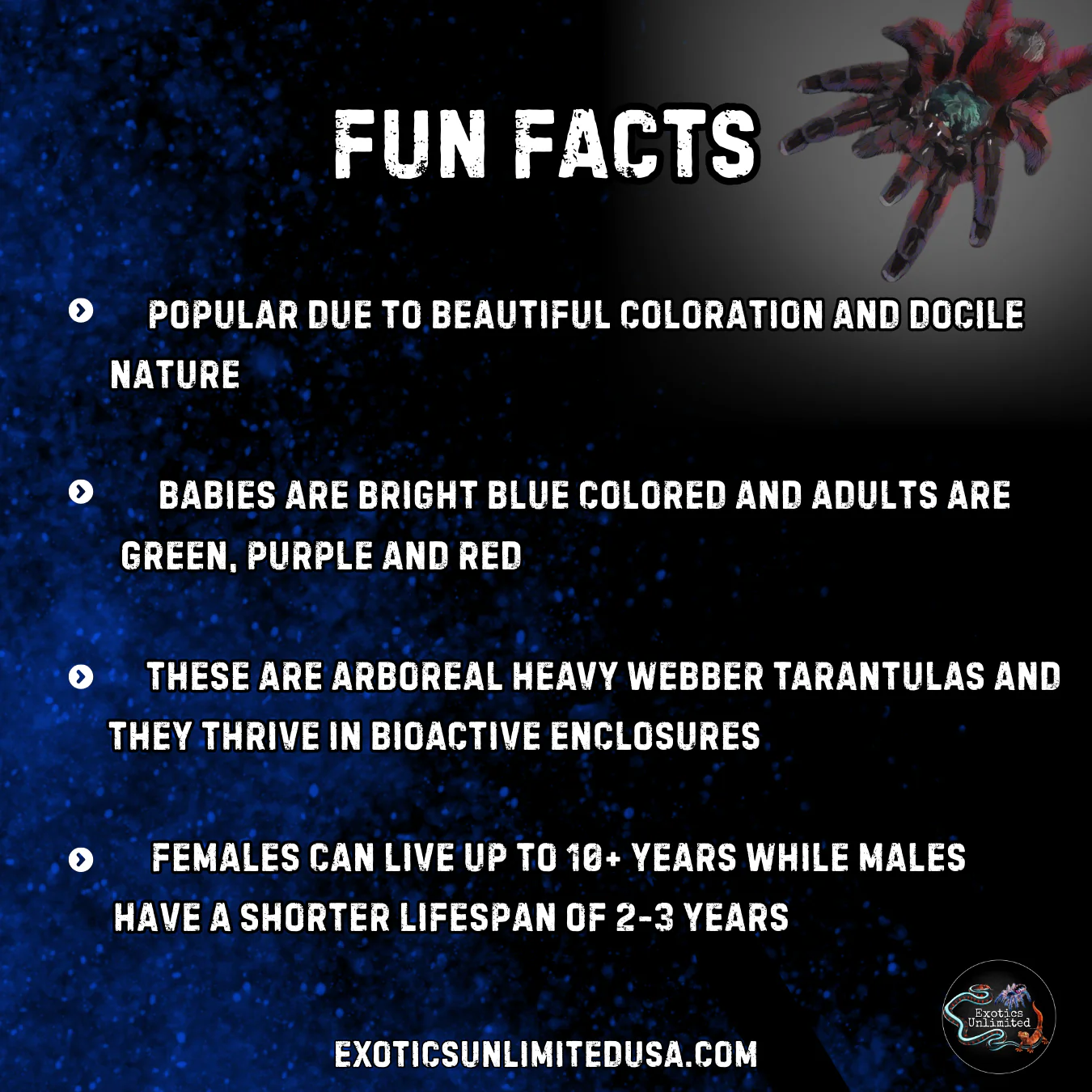
- Stunning Coloration: This species has arguably the best color transition in the hobby — bright metallic blue slings that mature into adults with a green-gold carapace, red abdomen, and pink toes.
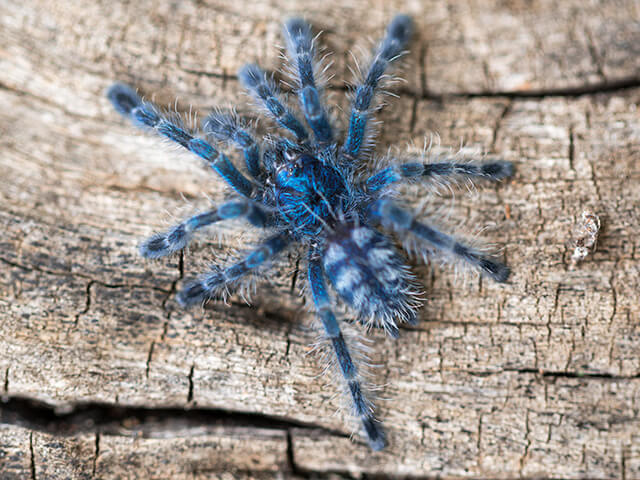
- Color Change Throughout Life: The shift from electric blue sling to adult is one of the most dramatic transformations in the tarantula world — almost like getting two different tarantulas in one.
- Heavy Webber: Builds thick, elaborate silk tube retreats at the top of the enclosure. Watching the webbing develop is a big part of the experience.
- Great Display Species: Once settled, versicolor stays visible near the entrance of its retreat and spends plenty of time out in the open.
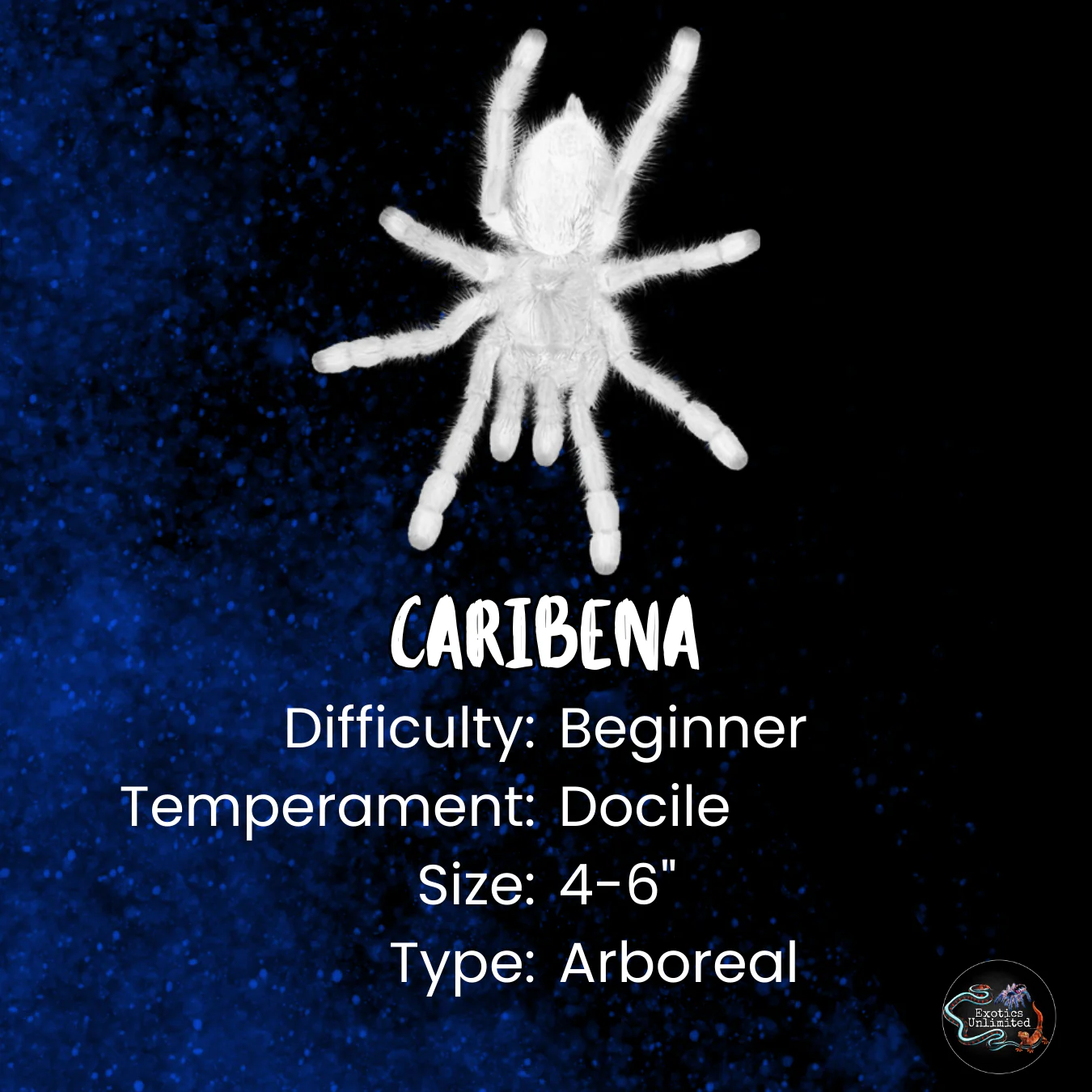
- Docile Temperament: One of the more forgiving arboreals. Still fast and can jump when startled, but rarely defensive compared to Old World species.
How should Caribena versicolor be kept?
- Enclosure: Arboreal setup with height as the priority — 2× legspan footprint, 3× legspan height. Vertical cork bark, foliage, multiple web anchor points. Cross ventilation is non-negotiable.
- Temperature: 75–85°F ideal. Room temps work, but avoid prolonged exposure below 65°F.
- Humidity: Moderate to high with excellent cross ventilation. Moist substrate, but airflow is the priority — not stagnant conditions.
- Water: Provide a shallow water dish placed in an elevated position if possible — this is more natural for arboreal species and helps prevent crickets from falling in and drowning.
- Diet: Crickets, roaches, or similar prey no larger than the carapace. Slings feed best when prey is placed directly on their webbing.
- Temperament: Generally docile and manageable for an arboreal. Skittish and fast when startled, capable of jumping. Bites are rare.
Are there any additional notes or considerations?
- Sling Color: The bright metallic blue sling phase is a major draw — people buy these at 0.5" just for that stage.
- Ventilation Is Critical: More versicolor are lost to poor ventilation than incorrect humidity. Airflow over moisture.
- Hobby Favorite: A staple for years and considered one of the best beginner arboreals — it shows up in nearly every Tarantula Collective species profile.
Listing Notes
- This listing includes multiple size options.
Original: $65.00
-65%$65.00
$22.75Product Information
Product Information
Shipping & Returns
Shipping & Returns
Description
Caribena versicolor (Antilles Pink Toe / Martinique Pink Toe Tarantula)
Caribena versicolor is one of the most sought-after arboreals in the hobby for good reason. Native to Martinique in the Caribbean, this New World species goes through one of the most dramatic color changes of any tarantula — bright metallic blue as a sling, transitioning to a stunning adult with a shimmering green-gold carapace, red abdominal hairs, and classic pink toe pads. Grab this New World arboreal for sale today if you want a species that's both beautiful to look at and rewarding to watch grow.
Why do hobbyists keep Caribena versicolor?
- Stunning Coloration: This species has arguably the best color transition in the hobby — bright metallic blue slings that mature into adults with a green-gold carapace, red abdomen, and pink toes.
- Color Change Throughout Life: The shift from electric blue sling to adult is one of the most dramatic transformations in the tarantula world — almost like getting two different tarantulas in one.
- Heavy Webber: Builds thick, elaborate silk tube retreats at the top of the enclosure. Watching the webbing develop is a big part of the experience.
- Great Display Species: Once settled, versicolor stays visible near the entrance of its retreat and spends plenty of time out in the open.
- Docile Temperament: One of the more forgiving arboreals. Still fast and can jump when startled, but rarely defensive compared to Old World species.
How should Caribena versicolor be kept?
- Enclosure: Arboreal setup with height as the priority — 2× legspan footprint, 3× legspan height. Vertical cork bark, foliage, multiple web anchor points. Cross ventilation is non-negotiable.
- Temperature: 75–85°F ideal. Room temps work, but avoid prolonged exposure below 65°F.
- Humidity: Moderate to high with excellent cross ventilation. Moist substrate, but airflow is the priority — not stagnant conditions.
- Water: Provide a shallow water dish placed in an elevated position if possible — this is more natural for arboreal species and helps prevent crickets from falling in and drowning.
- Diet: Crickets, roaches, or similar prey no larger than the carapace. Slings feed best when prey is placed directly on their webbing.
- Temperament: Generally docile and manageable for an arboreal. Skittish and fast when startled, capable of jumping. Bites are rare.
Are there any additional notes or considerations?
- Sling Color: The bright metallic blue sling phase is a major draw — people buy these at 0.5" just for that stage.
- Ventilation Is Critical: More versicolor are lost to poor ventilation than incorrect humidity. Airflow over moisture.
- Hobby Favorite: A staple for years and considered one of the best beginner arboreals — it shows up in nearly every Tarantula Collective species profile.
Listing Notes
- This listing includes multiple size options.